

Before Wills Eye was founded, the care of eye diseases was just one of many general surgical responsibilities. By
establishing Wills Eye as a specialty hospital from its inception, we developed momentum early as a pioneer in the
prevention and treatment of eye disease and played a vital role in establishing ophthalmology as a separate branch of
medicine in the United States.
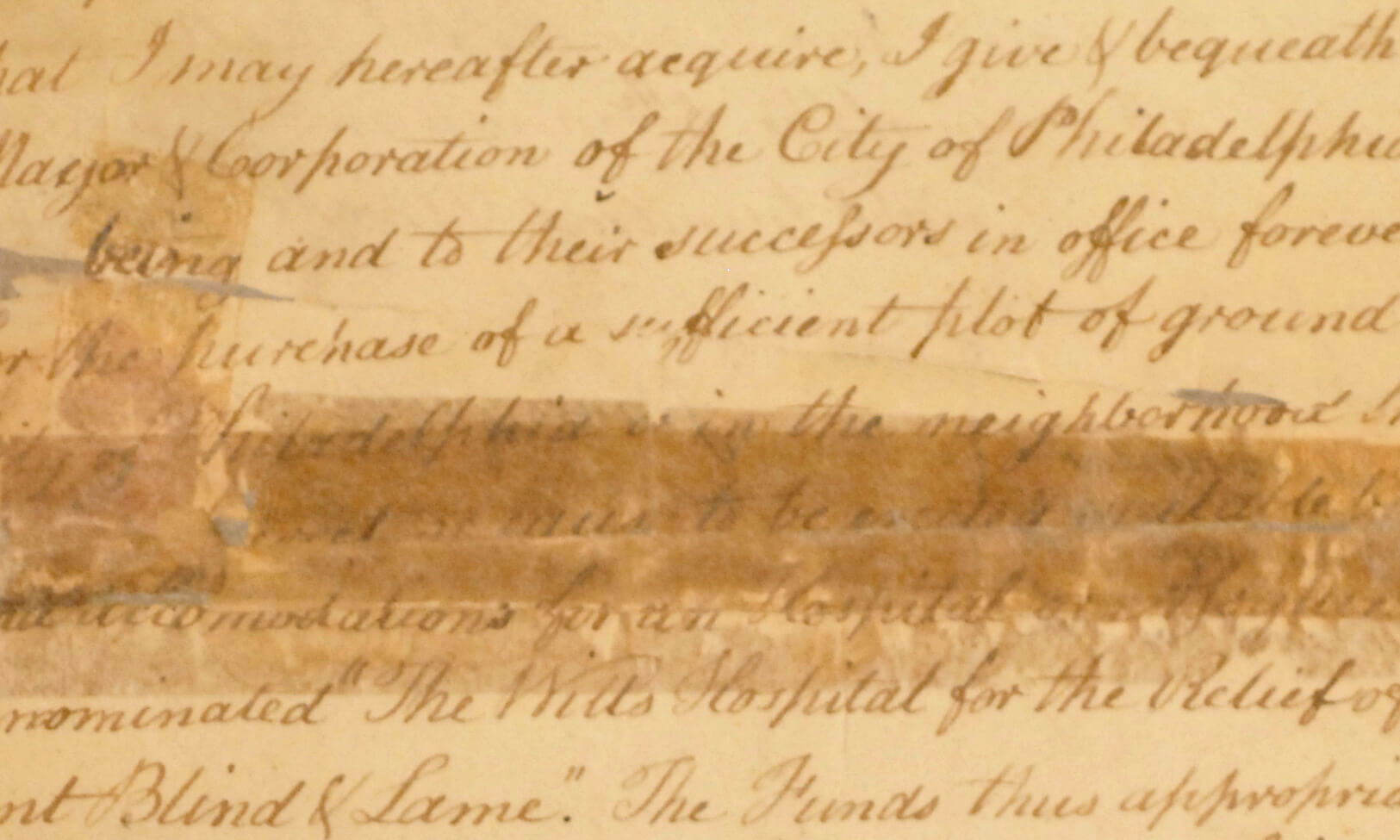
In 1832, Quaker merchant, James Wills Jr. bequeathed money to the City of
Philadelphia for the care of the indigent, blind and lame. The hospital
quickly evolved to specialize in eye care only.

The first Wills Eye Hospital, located on the southwest corner of 18th and
Race Streets in Philadelphia (opposite what is now Logan Circle), opened
on March 3, 1834. The 70-bed facility was designed by Thomas Ustick
Walter., a Philadelphian who was considered the dean of American
architecture.
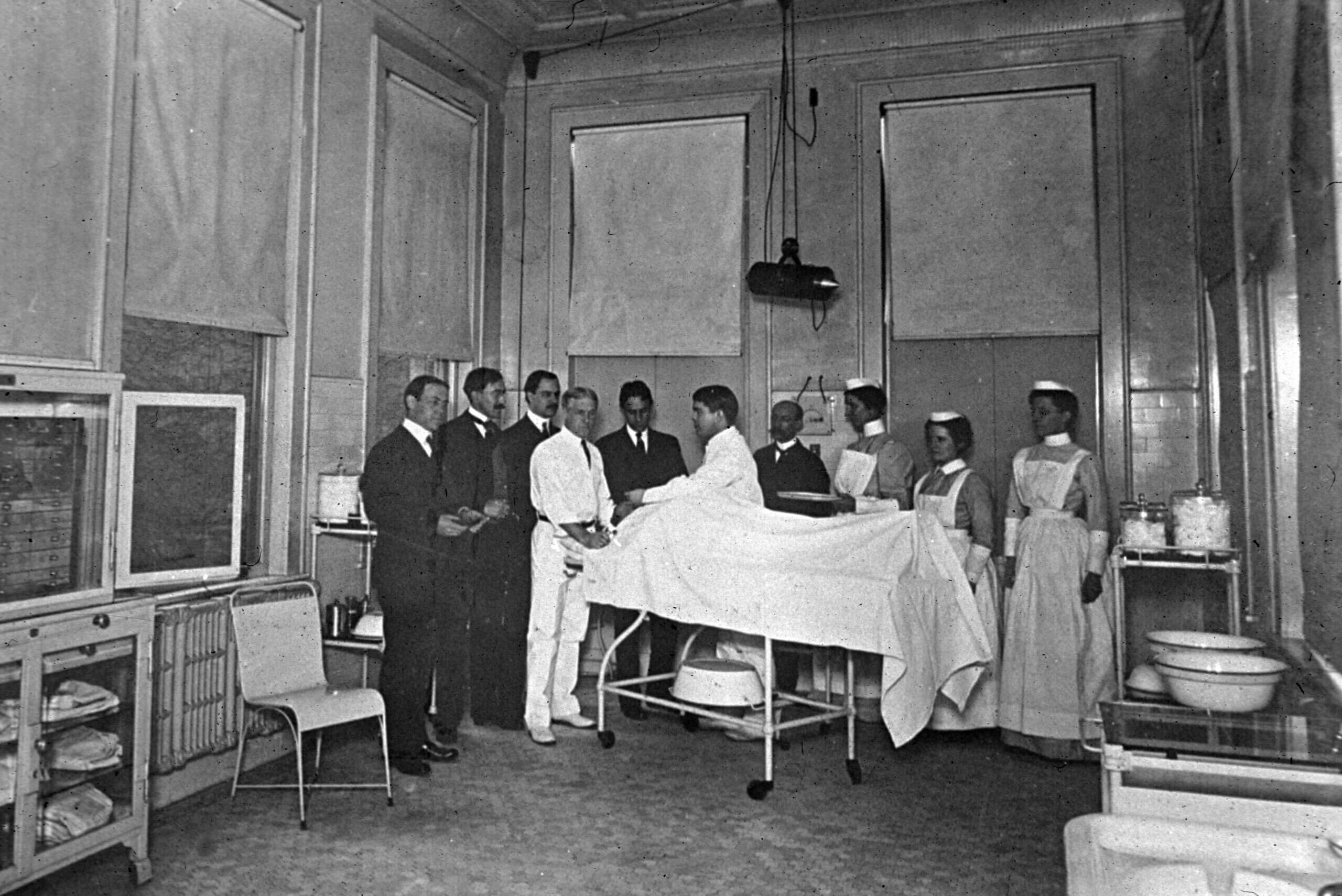
In 1839, Wills Eye Hospital established America's first residency program in
ophthalmology.

By the early 1900s, Wills Eye had outgrown its original quarters. In 1932
the hospital relocated to a new building at 16th and Spring Garden Streets.
The new hospital expanded inpatient bed capacity to 120, increased
outpatient service areas, and provided additional conference and teaching
facilities.
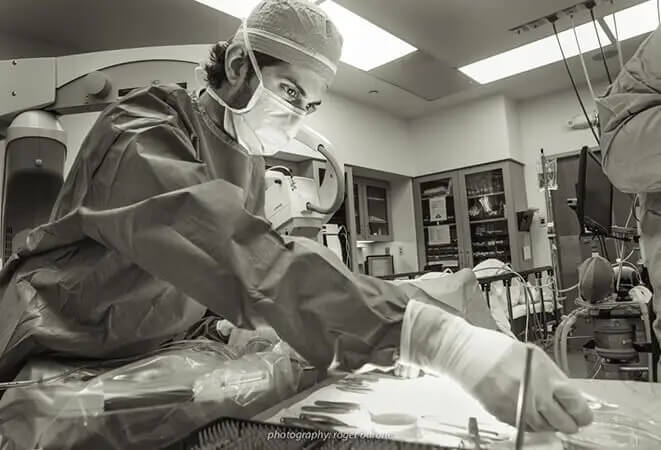
Wills Eye began to develop subspecialty services for particular diseases or
parts of the eye. Today, these services include: Cataract & Primary Eye
Care, Contact Lens, Cornea, Glaucoma, Neuro-Ophthalmology, Oculoplastic
and Orbital Surgery, Oncology, Pathology, Pediatric Ophthalmology and
Strabismus, Ocular Genetics, and Retina.

In 1972, Wills Eye affiliated with Jefferson Medical College of Thomas
Jefferson University and serves as Jefferson's Department of
Ophthalmology. All Jefferson medical students receive their basic eye
instruction and training at Wills Eye. We expanded once again in 1980 to a
new facility at 9th and Walnut Streets.
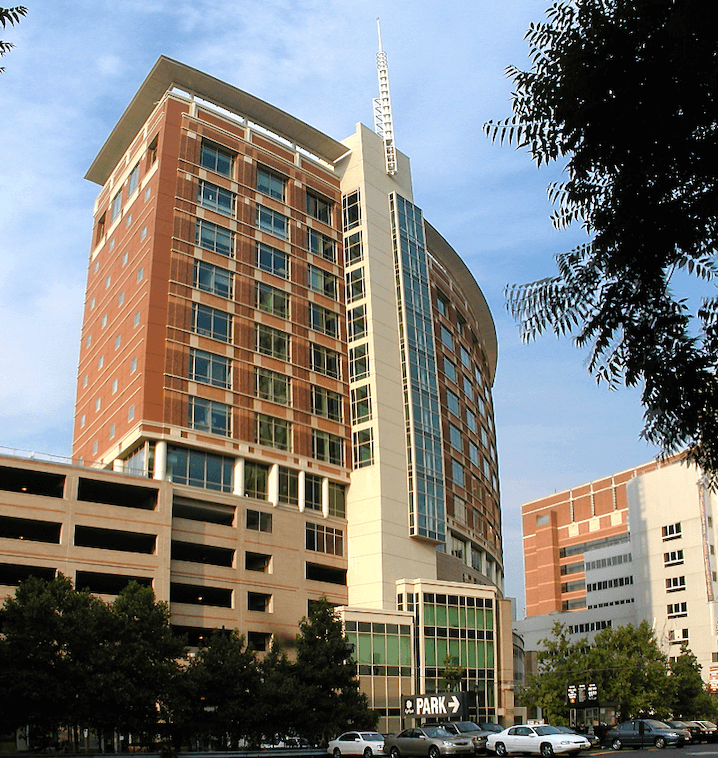
As Wills Eye approached the 21st century, a new, modern facility was
constructed at 840 Walnut Street, directly across the street from its prior
location. The new building opened in June 2002 and houses a hospital,
physician offices, clinics and a state-of-the-art centers for ophthalmic
education and research.
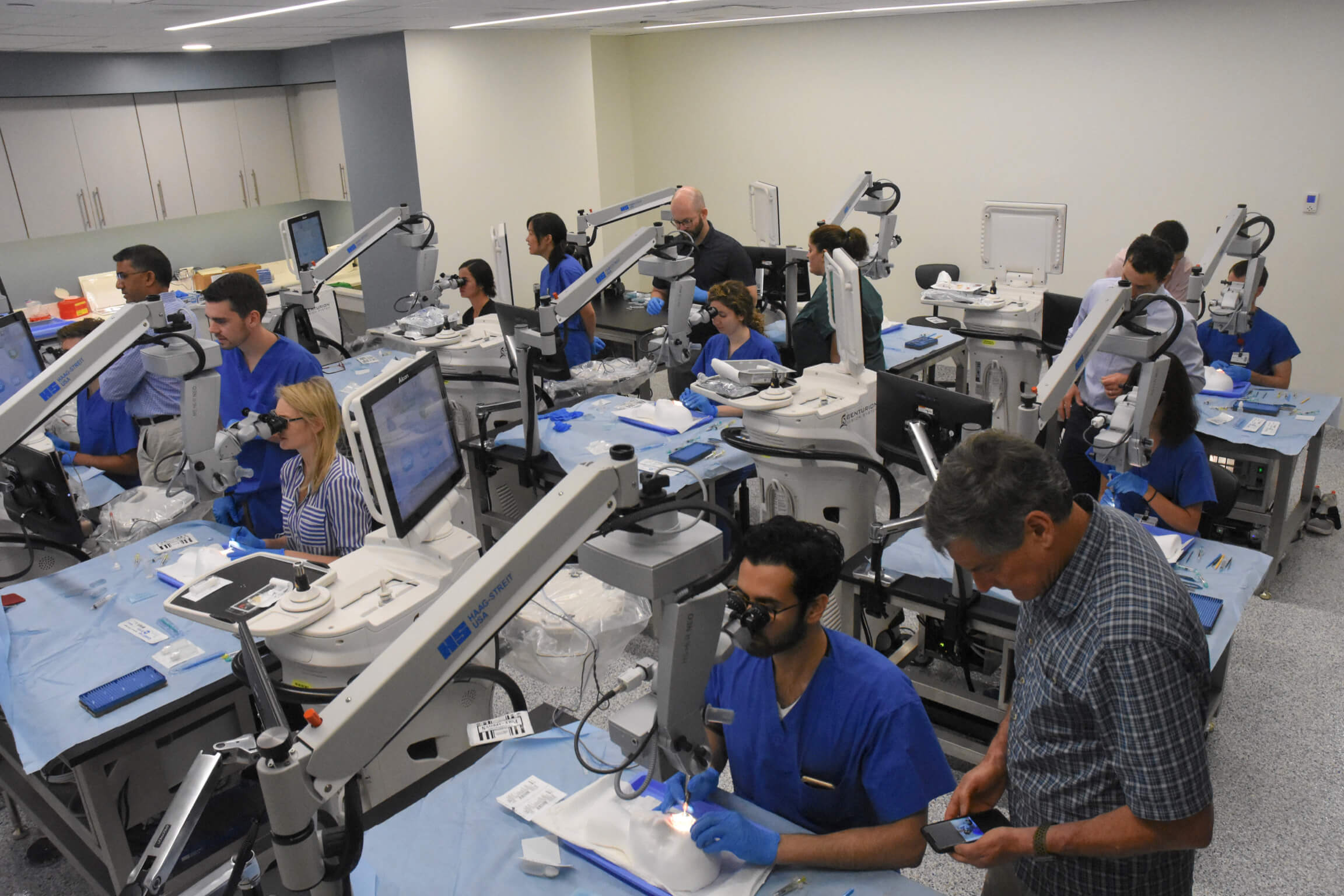
Wills Eye opens the William Maul Measey Ophthalmic Surgical Training
(MOST) Laboratory. The state-of-the art facility advances ophthalmic
microsurgical training with access to the latest technology and techniques
that are needed to efficiently and safely learn ophthalmic surgery in an
increasingly complex environment.